
SPEED
QUALITY SUPPLIERS
EASY NAVIGATION
QUICK RESPONSES
DIRECT SHIPMENTS
GLOBAL SUPPORT
EXCELLENCE
QUALITY SUPPLIERS
PROMPT SERVICE
SATISFACTION IS
#1 PRIORITY
ECONOMICS
LOWEST PRICES
FREE FREIGHT
QUICK DELIVERIES
KNOWLEDGE
FACTORY TRAINED
OTJ EXPERIENCE
ENGINEERING SUPPORT
Hydra-Cell Pro® vs. Multistage Centrifugal Pumps for CNC Coolant
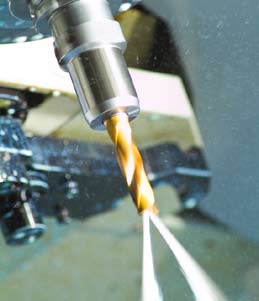

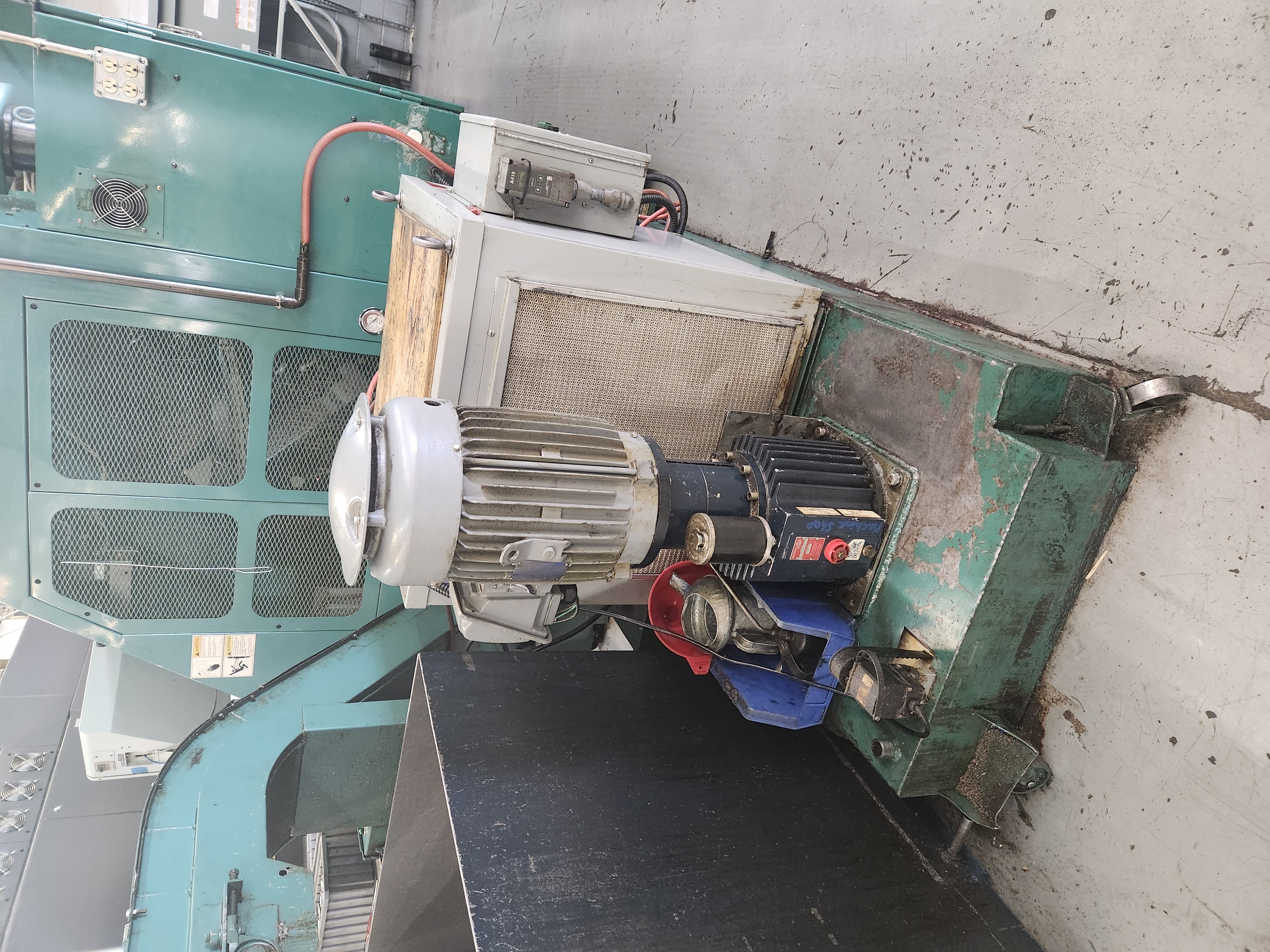
When selecting a coolant pump for a CNC machining center, the decision often comes down to vertical multistage centrifugal pumps from Brinkmann, Grundfos, and Graymills. These pumps provide dependable delivery for flood cooling, machine-bed flushing and filtration systems.
Another option is the Wanner Engineering Hydra-Cell Pro® seal-less positive-displacement pump, particularly when high-pressure coolant must be delivered consistently through the spindle or directly to the cutting tool.
The difference between these technologies affects response to changing operating conditions, sensitivity to contamination, filtration requirements, and maintenance interruptions. Hydra-Cell Pro becomes especially attractive when recycled coolant contains fine metal particles or must be delivered at controlled pressure without sacrificing flow. The important question is which technology can deliver the required flow and pressure reliably, with the lowest practical operating and maintenance costs over the machine's life.
Call 908.362.9981 to speak with a sales engineer
or submit an inquiry.
Understanding the Difference in Pumping Technology
A multistage centrifugal pump uses rotating impellers and stationary diffusers to increase liquid pressure. Adding stages allows higher pressure than a comparable single-stage design. Flow depends on pump speed, hydraulic design, discharge pressure, and system resistance. As discharge pressure increases, available flow generally decreases.
A Hydra-Cell Pro pump is a positive-displacement pump that moves a defined volume of liquid at a given RPM. Within its rated operating range, flow remains substantially consistent as discharge pressure changes.
When a cutting tool requires specific coolant flow at a particular pressure, maintaining both is essential. Hydra-Cell Pro pumps are also designed without conventional dynamic shaft seals, cups, or packing in contact with the pumped liquid—an important advantage with recirculated coolant containing suspended particles.
Handling Contaminated and Recycled Coolant
One of the biggest challenges in CNC coolant systems is managing contamination. During machining, coolant picks up fine metal particles, abrasive material, and other debris. Even with filtration, some particles remain in circulation. Cast iron machining is especially challenging because its fine particulate can be difficult and expensive to remove.
This is where Hydra-Cell Pro pumps offer a significant advantage. Their seal-less positive-displacement design can handle recirculated coolant containing suspended solids that cause accelerated wear in other pump designs. They can handle particles up to approximately 500 microns, subject to the specific pump model and application requirements.
The absence of conventional dynamic seals and closely rubbing pumping surfaces that depend on the liquid for lubrication makes Hydra-Cell Pro well suited to contaminated coolant.
Multistage centrifugal pumps should not all be treated alike. Brinkmann, for example, offers machine-tool pumps designed for aerated coolants and emulsions. However, the internal clearances, impeller design, and hydraulic components determine how well a particular pump tolerates solids. When abrasive particles cause wear, hydraulic performance can decline, reducing pressure or flow and eventually requiring service or replacement. For a manufacturer running multiple shifts, that loss can become more expensive than the pump itself.
Reduced Dependence on Fine Filtration
Filtration can represent a substantial operating expense. Many high-pressure coolant systems use fine filtration to protect the pump and other sensitive components. Depending on the application, this can mean finer media, more frequent element changes, additional labor, and disposal costs.
A Hydra-Cell Pro pump can often operate with less filtration dedicated to protecting the pump itself. In suitable applications, a coarser screen or filter may be sufficient to protect it from oversized debris, reducing the burden on the filtration system.
This does not automatically eliminate fine filtration from the entire coolant circuit. Tooling passages, rotary unions, control valves, and other components may have their own particle-size limitations. Filtration must be specified for the complete system. The goal is to determine whether it can be simplified without compromising tooling or coolant-delivery requirements.
More Consistent Flow at Operating Pressure
What matters in a CNC application is the flow available at the pressure required by the cutting tool. With a multistage centrifugal pump, delivered flow changes as system resistance changes, so the pump's performance curve must be used to determine available flow at the required discharge pressure.
A Hydra-Cell Pro pump provides substantially consistent flow at a given speed across its rated pressure range. This can be especially valuable in through-spindle coolant applications, deep-hole drilling, high-speed machining, and other processes where coolant must reach the cutting edge with sufficient pressure and flow to remove heat and evacuate chips.
If flow falls below the required level, the consequences may include inadequate cooling, chip accumulation, reduced tool life, and inconsistent machining results.
Seal-Less Construction and Maintenance
Traditional centrifugal pumps use different sealing arrangements depending on their design. Many vertical immersion pumps minimize or eliminate conventional shaft-seal requirements, so not every multistage centrifugal pump has a mechanical seal requiring regular replacement. The relevant comparison is how each pump's internal design responds to the coolant being circulated.
Hydra-Cell Pro pumps have no conventional dynamic shaft seal, packing, or pumping cups to replace. This eliminates several wear mechanisms associated with components contacting the pumped liquid, particularly when coolant contains abrasive particles or has limited lubricating properties, as can be the case with water-based coolants.
Routine service is still necessary. Depending on model and operating conditions, maintenance includes oil changes at approximately 4,000 hours and check-valve replacement at approximately 6,000–8,000 hours or longer. For a machine operating around the clock, fewer interventions can mean less unplanned downtime.
Dry-Running Protection
A tank can run low, a suction path can become obstructed, or an operator can start a pump before the coolant level recovers. Some centrifugal pumps can be damaged by dry running, although capabilities vary by model.
Hydra-Cell Pro pumps can run dry without damage under the manufacturer's stated operating conditions. This can protect against certain operating errors or interruptions in coolant supply, but it does not eliminate the need to follow installation and operating requirements.
Energy Consumption and Operating Cost
Energy efficiency should be evaluated against the actual duty, rather than assuming one pump type always consumes less electricity. A centrifugal pump's efficiency varies with its operating point; operation well away from its best-efficiency point may consume more energy than expected.
A positive-displacement pump's efficiency also varies with pressure, speed, liquid properties, and model. Hydra-Cell Pro pumps are designed for high hydraulic efficiency, with Wanner publishing figures of approximately 78–90% for specified applications and conditions.
In a suitable high-pressure coolant system, maintaining required flow without unnecessary bypassing can reduce wasted energy. Less heat introduced into the coolant may also reduce the load on cooling equipment. Compatible controls can adjust delivery when tools have different coolant requirements. Actual savings depend on pump selection, controls, the existing system, and operating hours.
Installation Flexibility and Machine Integration
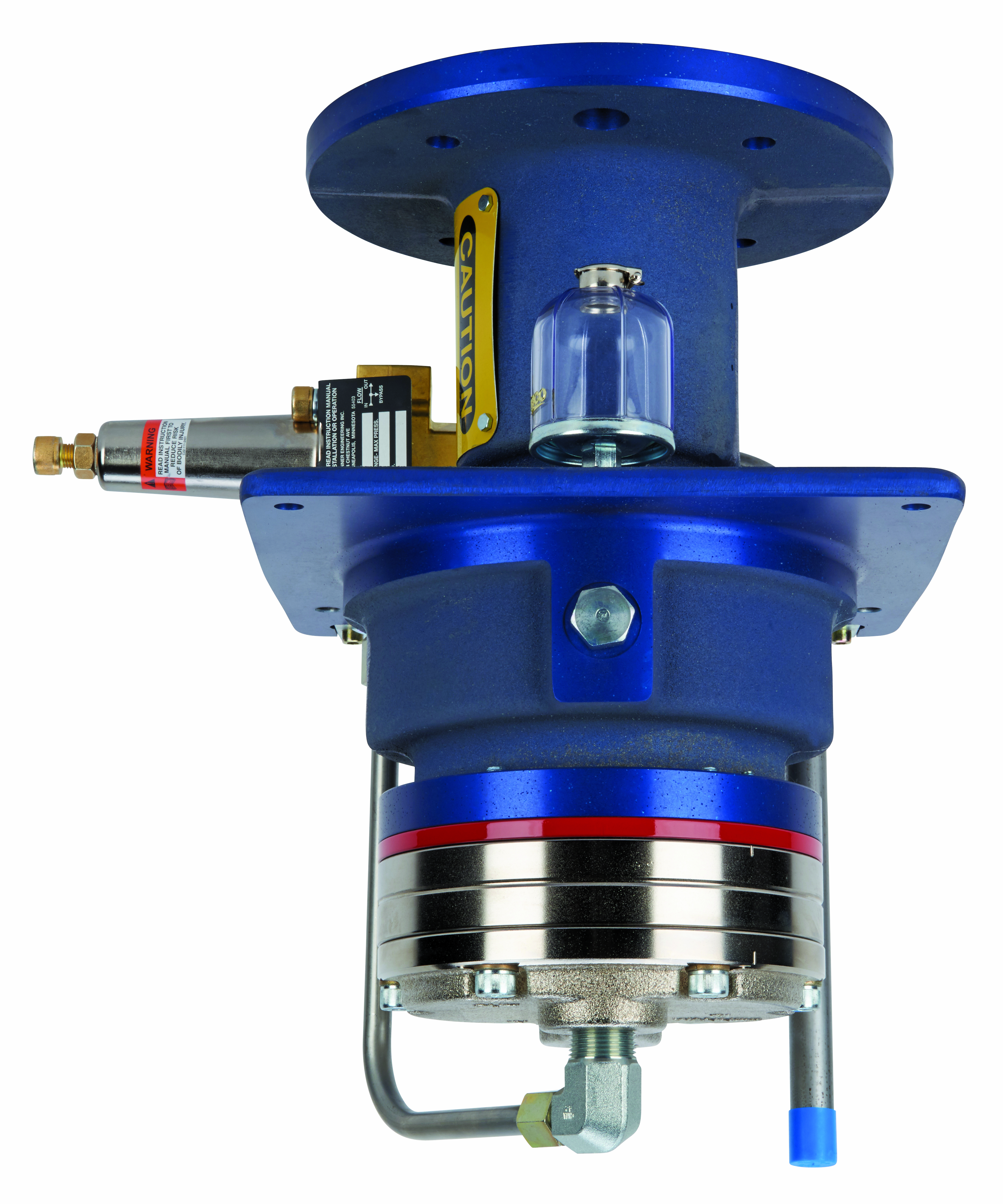
Hydra-Cell Pro pumps are available in configurations for different machine-tool installations. The vertically installed Model D12 is designed for applications where the pump head sits within the coolant reservoir and can be considered as a replacement for vertically oriented multistage centrifugal pumps.
A conversion should be evaluated as a complete installation, including mounting dimensions, tank depth, coolant level, required flow and pressure, motor and drive arrangements, connections, and machine controls.
Comparing Total Cost of Ownership
A meaningful comparison should include the pump and motor, installation, filtration equipment, replacement filter elements, maintenance labor, parts, electricity, coolant disposal, and downtime.
For conventional flood coolant with relatively clean liquid, a multistage centrifugal pump may provide excellent value and dependable service. For high-pressure applications using recycled coolant, the calculation may be different. If the system requires fine filtration, frequent service, or recurring pump replacement because of abrasive contamination, Hydra-Cell Pro may reduce several costs simultaneously.
The most important cost may be the one least visible on the original equipment quotation: lost production when coolant delivery becomes unreliable.
Match the Pump Technology to the Application
Brinkmann, Grundfos, and Graymills offer established multistage centrifugal pump solutions that remain appropriate for many CNC coolant systems. They should not be dismissed simply because another technology is available.
However, when high-pressure coolant must be delivered consistently while handling recycled liquid containing abrasive particles, Wanner Hydra-Cell Pro offers several advantages worth evaluating.
Call 908.362.9981
or submit an inquiry form for same-day assistance.
Related Resources
Hydra-Cell Pro for CNC Coolant
Technical Articles
Give the Fluid Alchemist a pump model or part number and it can confirm kit and component part numbers, provide detailed specifications, and walk you through troubleshooting, installation, and maintenance.
Try Fluid Alchemist